
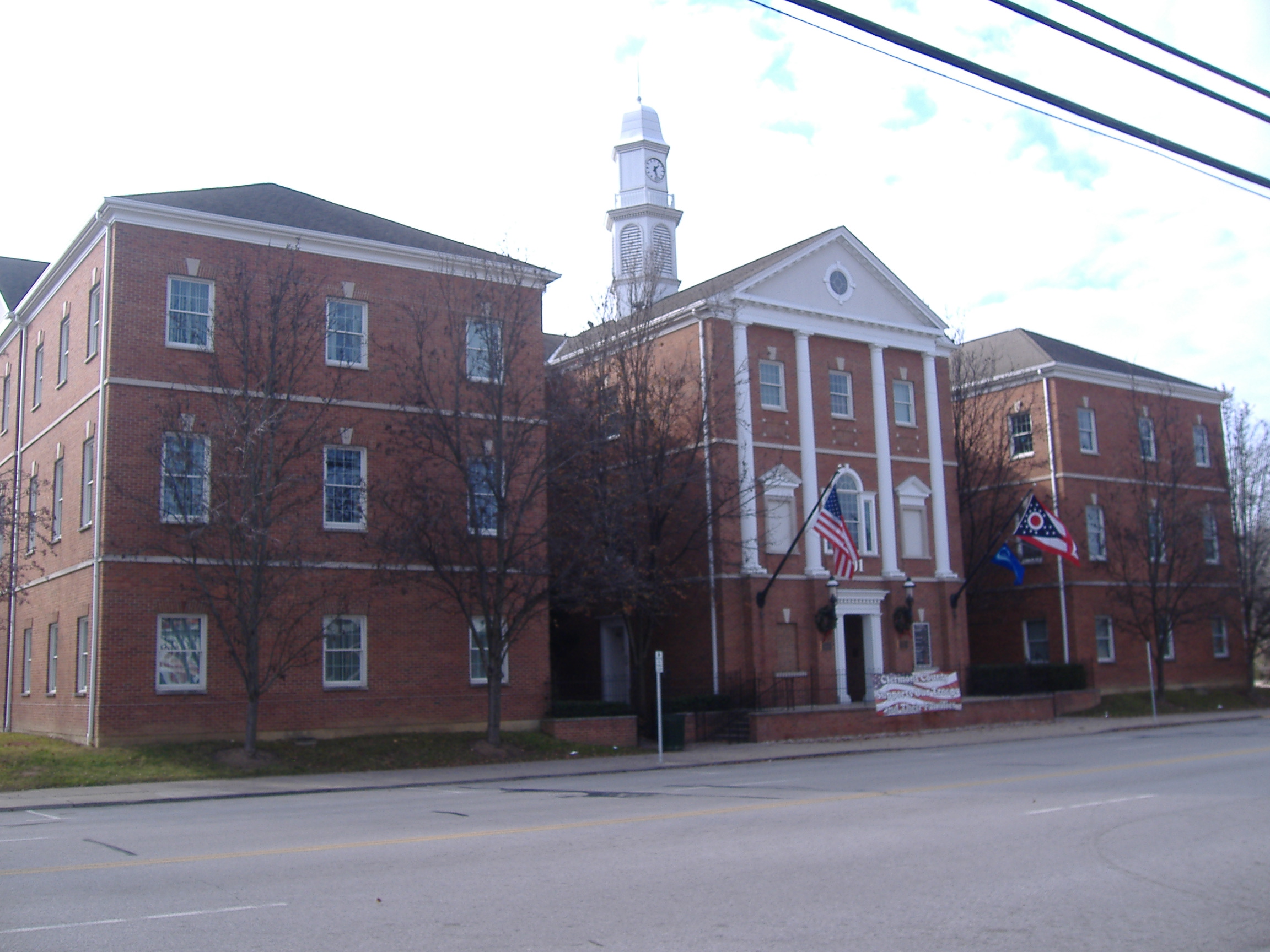
Batavia is the county seat of Clermont County, home to the courthouse, the county administrative offices, and — just as importantly for Medicare purposes — Mercy Health’s Clermont Hospital, a 165-bed facility that’s been serving this community since 1973. That last detail actually matters quite a bit here: unlike many smaller Clermont County towns where residents have to decide which direction to drive for hospital care, Batavia has real inpatient care right in town.
A County Seat With Its Own Hospital
Batavia’s population is modest — a bit over 2,000 within the village itself — but its role as county seat means a genuinely outsized number of county employees, judges, clerks, and retirees have spent their careers here and plan to stay for retirement too. Having Mercy Health’s Clermont Hospital located directly in town, rather than a twenty- or thirty-minute drive away, changes the calculus on certain plan decisions in ways that are worth walking through carefully rather than assuming apply the same way everywhere in the county.
What Local Hospital Access Actually Changes
Mercy Health’s Clermont Hospital handles emergency care, surgery, a wound-care center, and behavioral health services, including a dedicated geriatric behavioral health inpatient unit — genuinely relevant if you or a family member ever need that kind of specialized care close to home rather than transferred into Cincinnati. Because Mercy Health also operates a broader network across the region, a Medicare Advantage plan built around Mercy Health can keep both your local hospital and your Cincinnati specialists within the same network, which isn’t something every Clermont County resident can count on depending on exactly where they live.
Life in a Small County-Seat Town
The Clermont County Courthouse itself, built by the Works Progress Administration and opened in 1936, still anchors downtown Batavia at 270 East Main Street, and the surrounding blocks carry that same civic, small-town character. It’s the kind of place where a genuinely large share of longtime residents either worked for the county directly or knew someone who did, and where word travels through the courthouse, the library, and a handful of longtime local businesses rather than through anonymous online reviews. We’ve found that same word-of-mouth pattern extends naturally to Medicare decisions — a good number of our Batavia clients first heard about us from a courthouse coworker or a neighbor who’d already been through the comparison process themselves.
What We Help Batavia Residents With
- Comparing Medicare Advantage plans built around Mercy Health’s local network
- Medicare Supplement plans for residents who split care between Batavia and Cincinnati specialists
- Reviewing Part D prescription coverage against your actual medications
- Life insurance and long-term care planning, including final expense coverage
Medicare’s Four Parts, Explained Plainly
Part A is hospital insurance, covering inpatient stays, skilled nursing facility care following a qualifying hospital admission, and hospice care, and it’s premium-free for most people who paid Medicare taxes for at least ten years across their working life. Part B is medical insurance, covering outpatient care such as doctor visits, preventive screenings, durable medical equipment, and outpatient procedures, and it carries a monthly premium along with roughly 20% coinsurance on most services once you’ve met the annual deductible, unless supplemental coverage steps in to cover that gap. Part D covers prescription drugs specifically, either purchased as a standalone policy alongside Original Medicare or bundled directly into a Medicare Advantage plan. Part C, more commonly known as Medicare Advantage, is the private-insurance alternative to Original Medicare, bundling hospital, medical, and usually prescription coverage into one plan built around a defined provider network.
For Batavia residents specifically, understanding how Mercy Health fits into that network structure is often the single most useful thing we can walk through in a first conversation, since it directly affects which specific plans make practical sense for your situation.
Medicare Advantage vs. Medicare Supplement in a County-Seat Town
A Medicare Advantage plan built around Mercy Health’s network can work genuinely well if your hospital, your primary doctor, and your specialists all fall within that same system, and Batavia’s setup makes that more achievable here than in towns without a local hospital at all. But if you also see specialists downtown in Cincinnati who fall outside Mercy Health’s network, or you simply want the flexibility to see any Medicare-accepting provider nationwide without worrying about referrals, a Medicare Supplement plan removes that limitation entirely, in exchange for a higher monthly premium than most Advantage plans carry. We walk through Medicare Supplement vs. Medicare Advantage: How to Actually Decide in more depth if you want to see the numbers side by side.
We run real, specific numbers for both paths using your actual doctors and prescriptions before ever recommending either one, rather than assuming what worked for a neighbor or a former coworker automatically applies to your particular situation.
Enrollment Timing
Your Initial Enrollment Period runs a full seven months — three months before your 65th birthday, your birthday month itself, and three months afterward — and enrolling early in that window generally means your coverage starts sooner rather than facing an unnecessary delay. Beyond initial enrollment, the Annual Enrollment Period each year from October 15 through December 7 lets you switch plans for the following year, and a separate Medicare Advantage Open Enrollment Period from January 1 through March 31 allows one more switch if your first choice for the year isn’t working out the way you expected. If you’re retiring from a county position and losing employer coverage, that can also trigger its own Special Enrollment Period worth understanding on its own timeline. We cover this in more depth in our Medicare fraud warning signs guide.
Prescription Coverage and Planning Ahead
Every Part D plan maintains its own distinct formulary and cost-tier structure, and a recent nationwide change capped annual out-of-pocket prescription costs at $2,000 for covered drugs, a genuinely meaningful protection if you take expensive brand-name medications on a regular basis. We also help a good number of Batavia clients think through final expense life insurance and long-term care planning, since Medicare’s nursing home coverage is more limited than most people assume, covering only a defined period of skilled nursing after a qualifying hospital stay rather than extended custodial care — a gap worth understanding and planning around well before it ever becomes urgent.
What Actually Happens When You Reach Out
We start with a genuine, unhurried conversation about your current doctors, your specific prescriptions with dosages, and whether Mercy Health’s local network already covers most of your care or whether you’re regularly heading into Cincinnati. From there we compare the plans actually available at your specific Batavia address using real numbers, with no pressure to decide immediately and no cost at any stage of the process. If a question comes up next year, you’ll reach the exact same people working from our Bethel office, not a rotating cast of call center voices.
Serving Batavia and the Rest of Clermont County
Batavia is one of several Clermont County communities we work with, and we’re genuinely glad to extend the same patient approach to family or neighbors elsewhere in the county, whether that’s nearby Amelia, Owensville, or further out toward Goshen and Williamsburg. Plan networks and hospital affiliations can vary meaningfully from one part of the county to another, so we check your specific address individually every time rather than assuming a Batavia comparison automatically applies somewhere else.
A good number of our Batavia clients originally found us through a coworker at the courthouse or a neighbor who’d already been through this same careful, no-pressure comparison process, and we’re genuinely glad to keep that pattern going for anyone at all you’d like to refer to us.
Common Questions From Batavia Residents
Does having a hospital right in Batavia change which plan I should pick?
It can, especially for Medicare Advantage plans built around the Mercy Health network — we’ll walk through specifically how that local access fits with your current doctors before recommending anything.
I work for the county — how does retiring affect my Medicare timing?
Losing employer coverage when you retire typically opens its own Special Enrollment Period, and the exact timing depends on your specific retirement date and current coverage — we’ll help you map that out precisely.
Can I keep seeing my Cincinnati specialist if I pick a Mercy Health Advantage plan?
Sometimes, depending on whether that specialist participates in Mercy Health’s broader regional network — we check this specifically for your doctors rather than guessing.
What’s changed recently with Part D prescription coverage?
A new $2,000 annual cap on out-of-pocket costs for covered drugs is the biggest recent change, and it’s genuinely worth reviewing your coverage even if you haven’t switched plans in several years.
Is Batavia’s Mercy Health hospital considered part of a larger network?
Yes — Mercy Health operates a broader regional system across Greater Cincinnati, so a plan built around the local Batavia hospital can often still reach Mercy Health specialists elsewhere, though we always confirm the specific details for your particular doctors before assuming that connection holds.
Reach out whenever you’re genuinely ready — free, patient, no-pressure help, available either in person at our nearby Bethel office or comfortably by phone, whichever you honestly prefer.
Is there a Medicare agent near me in Batavia, or is this a national call center?
We’re a local, independent Medicare broker and advisor based in Bethel, serving Batavia and the surrounding area directly rather than routing you through a national call center. Whether you think of it as finding a Medicare agent, broker, consultant, or representative in your area, we compare plans across Humana, Aetna, AARP/UnitedHealthcare, Anthem, and other major carriers — real, unhurried help from the same person every time, not a rotating call queue.